
The Post-International Student Market: Why Working Learners Matter Now

Canadian universities know how to recruit high school students. For years, they built systems and teams around attracting international students. But there’s a third audience most institutions have never really prioritized: domestic adults who need recognized credentials, but can’t quit their jobs or relocate to campus.
Canada Is Investing Billions in AI and Defence. Where Will the Talent Come From?

Ottawa is placing big bets on the country’s future. Billions in AI. Major defence industry expansion. Critical minerals projects. New digital infrastructure. The federal government’s recent budgets are a roadmap for where Canada thinks the economy is heading. There’s just one problem: we don’t have nearly enough people trained to do these skilled jobs.
Redesigning the University for an Era of Fiscal Constraint

Talk to a university leader in almost any Canadian province right now and the conversation eventually lands in the same place. Budgets are tight, programs are under review, and the gap between revenue and costs keeps widening. It’s happening from BC to Ontario to Manitoba, at institutions that were, not long ago, in decent financial shape.
New Partnership with University of New Brunswick to Expand Student Enrolment Through Online Programs
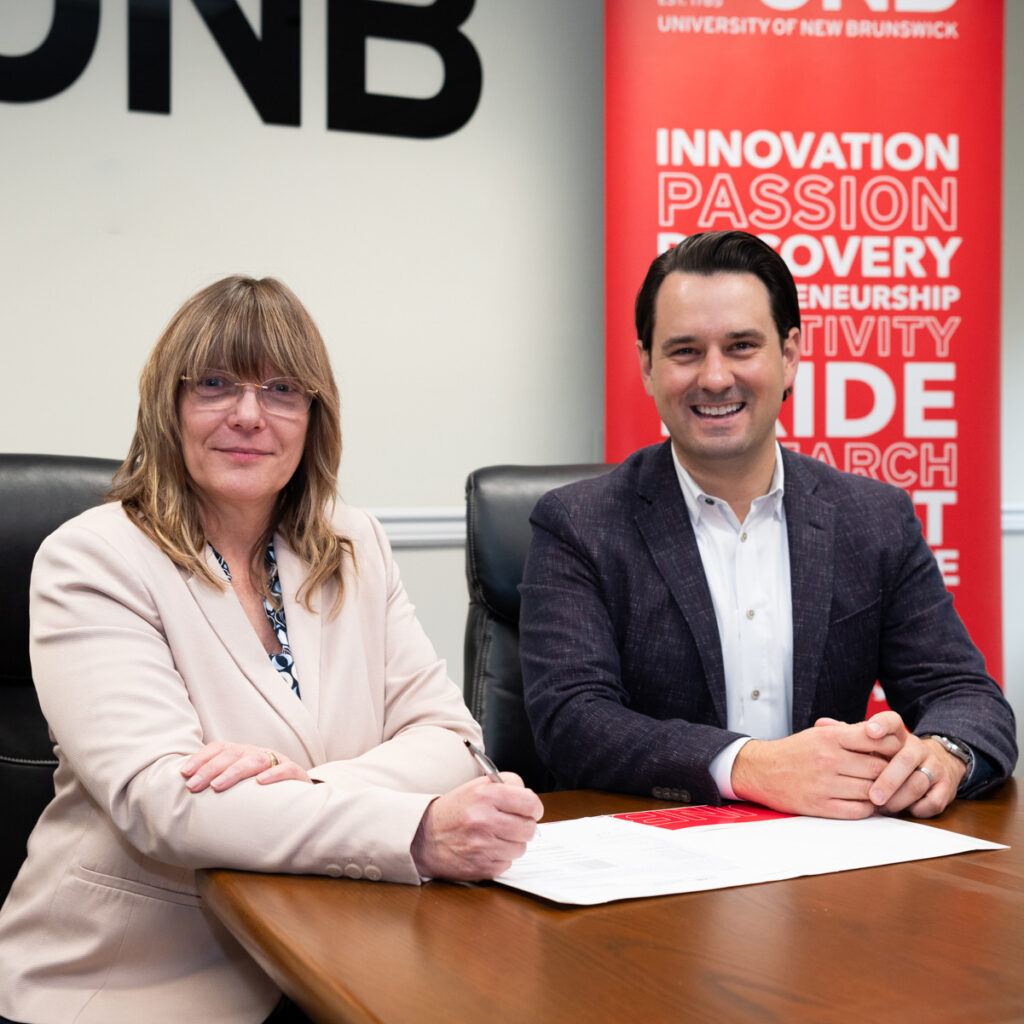
The partnership will enhance UNB’s capacity to deliver quality online programming to students across Canada and beyond by leveraging Boreal Education’s expertise in creating and marketing online programs, and supporting Canadian post-secondary institutions in diversifying and expanding their enrolment.
The Power of Online Learning in Rural, Remote, and Indigenous Communities

When it comes to accessing higher education, Canadians in rural, remote, and Indigenous communities often face significant challenges. Limited resources, geographical barriers, and cultural considerations can create barriers that impede their educational pursuits. However, advancements in online and digital learning offer an opportunity in Canadian post-secondary education to reach these audiences and expand access for all learners across this country.
Modern Practices for Online Program Development

The rapid growth of online programming has transformed the higher education landscape, making it imperative for academic leaders to embrace this shift in what modern learners are looking for. Leading institutions in Canada are realizing this demand potential and setting a strategic direction towards expanding programming to include purpose-built online offerings from degrees, diplomas, certificates, short-courses to other credentials.
Navigating Workforce Development with a Shifting Learner Profile

For the last decade, experts have consistently cautioned about the potential loss of Canadian jobs to automation, digitization and artificial intelligence. The pandemic only accelerated that trend, forever changing what our working world looks like. As policy makers and leaders across this country look to shape the future, the focus must be on the need for upskilling and reskilling to keep up with job market demands and emerging technologies
A New Audience for Post-secondary Education in Canada

As we know, post-secondary education in Canada is facing two areas of concern: increased pressure on international student recruitment and mounting funding constraints. Both of these issues must be addressed and are rightfully receiving the attention and corresponding strategies needed to fix them. At the same time, faced with these mounting issues, Canadian universities and colleges are looking for new ways to innovate and grow. We are encouraging university and college leaders to consider a third option – working learners.